Making Bilingual Learning


Making Bilingual Learning Playful: How Coco Turns Spanish Into Fun

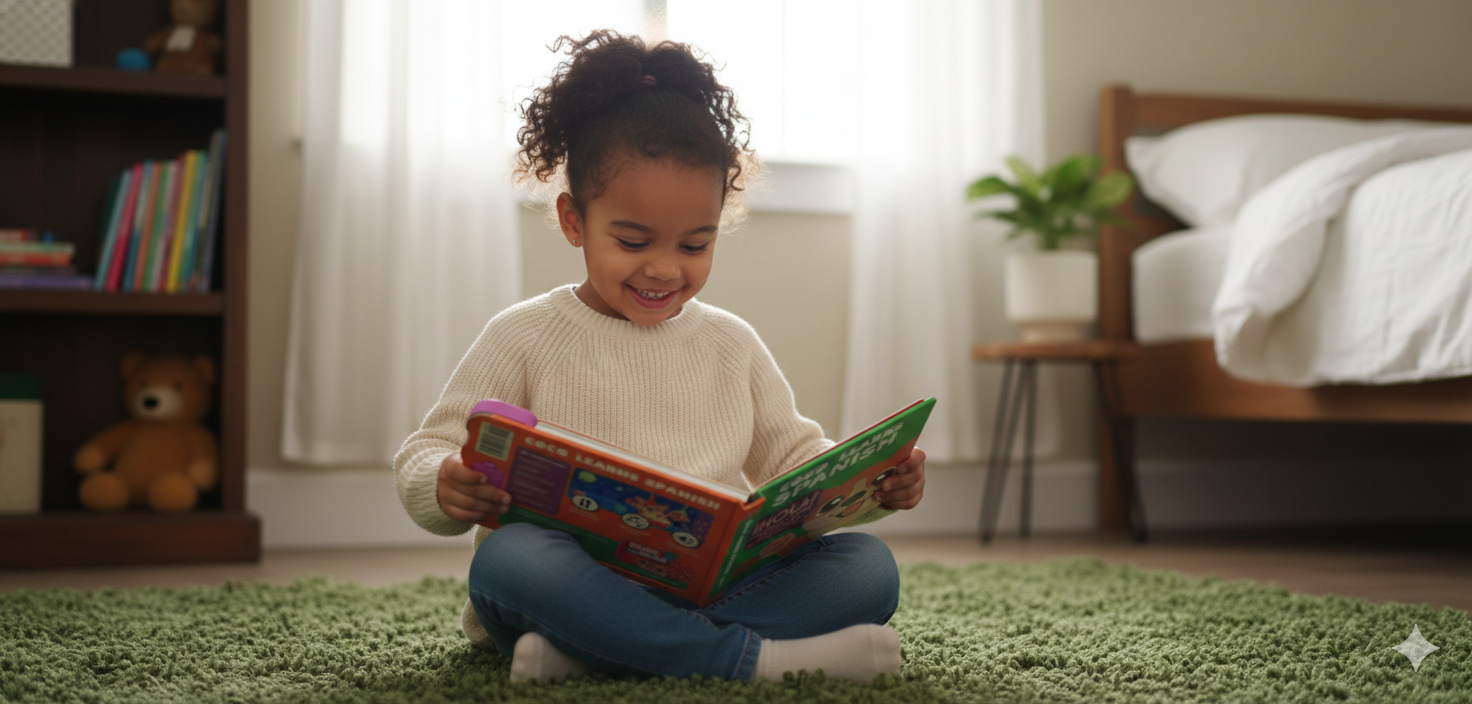
If you’ve ever tried to get a toddler to sit still for a lesson, you know it’s nearly impossible. But if you make learning feel like play? That’s when the magic happens. That’s why Coco Learns Spanish Volumes 1–3 stands out among Spanish books for toddlers 1–3, it transforms Spanish into a playful, interactive experience toddlers actually look forward to.

Interactive Learning for Active Kids

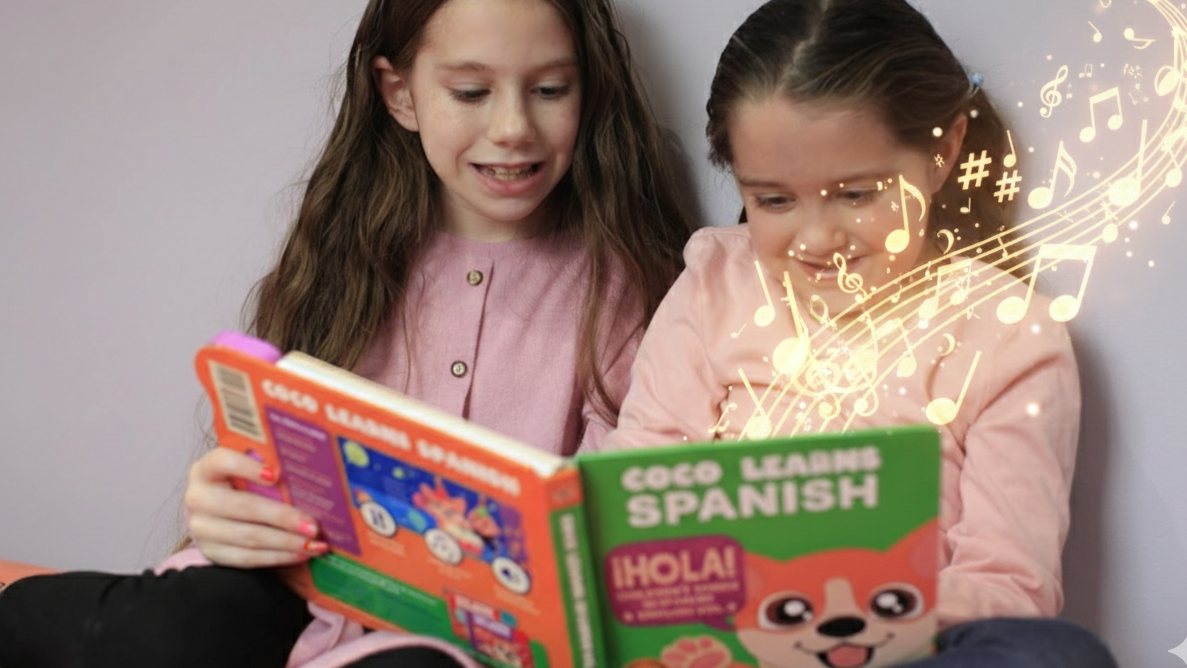
Unlike traditional Spanish children’s books, Coco comes alive with sound. Toddlers press buttons to hear songs, flip sturdy board pages, and follow along with colorful illustrations. This interactive design encourages independence, giving toddlers a sense of control over their learning.

Instead of being told what to read or repeat, they get to choose which song to play again and again. That freedom builds confidence and keeps them engaged longer than a simple picture book.

Play That Builds Vocabulary

When toddlers push the button for a song like “Los Pollitos Dicen,” they’re not just enjoying the music, they’re absorbing Spanish vocabulary and pronunciation. The repetitive nature of songs makes learning stick, much like how children memorize ABC songs or lullabies.

Parents report that children begin singing along after just a few listens. A toddler who starts with simple words like “mamá” and “agua” may soon begin repeating entire phrases, all thanks to the playful repetition Coco provides.

Learning Through Movement

Toddlers love to move, and movement helps learning stick. With Coco, songs often turn into dance breaks, clapping games, or hand motions that reinforce vocabulary. This physical engagement turns each page of Coco into more than just reading time, it becomes a mini language-learning activity that stimulates both body and brain.

Why Play Matters in Bilingual Books

Play isn’t just fun, it’s how toddlers learn best. Neuroscience shows that when children are engaged and enjoying themselves, their brains form stronger connections. That’s why bilingual toddler books like Coco are more effective than rote memorization or screen time apps. They combine joy with repetition, giving Spanish a natural place in your child’s daily life.

A Book That Grows With Your Child

From babies pressing buttons at 6 months old to preschoolers singing along at age 4, Coco adapts to your child’s developmental stage. What starts as simple listening eventually turns into active speaking and even early reading. That longevity is what makes Coco a standout Spanish baby book, it’s a resource your family will use again and again.

Coco proves that learning Spanish doesn’t have to be hard. With the right tools, it can be as simple as pressing a button, dancing in the living room, and watching your toddler fall in love with another language.

 
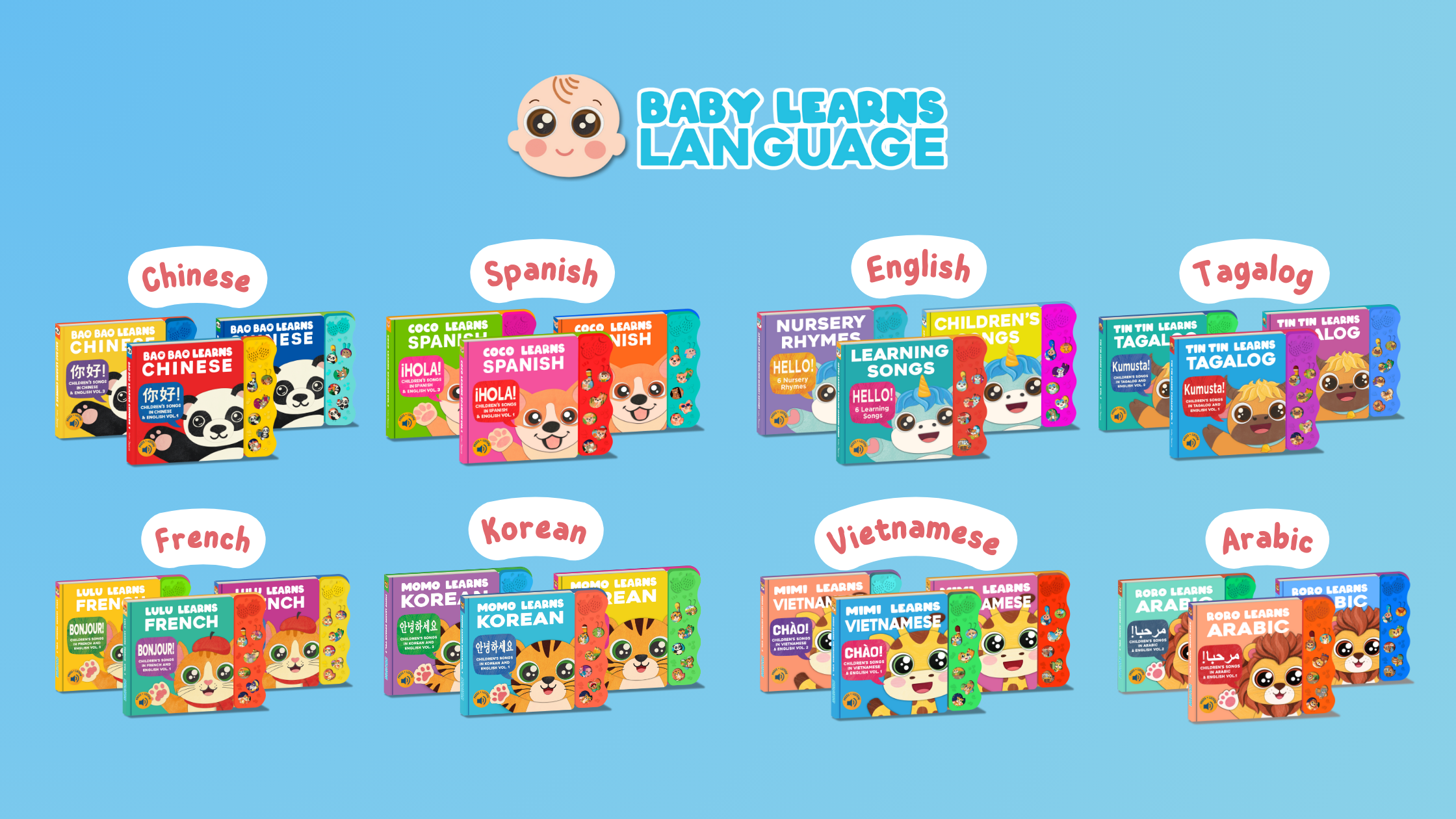
Baby Learns Language